脑机接口新突破:19岁患者实现《王者荣耀》《黑神话:悟空》精准脑控操作
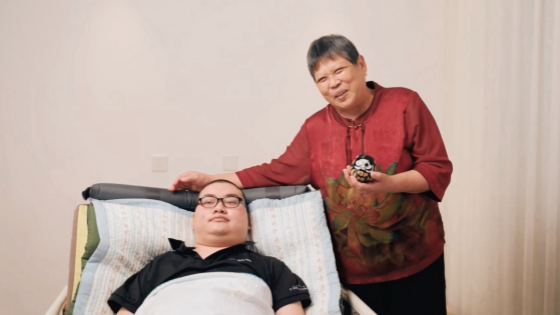
近日,脑虎科技联合中国科学院上海微系统所陶虎/周志涛研究员团队在复旦大学附属华山医院开展的高精度实时运动解码临床试验再获重要突破——一名 19 岁右侧额叶癫痫患者成功植入脑虎科技自主研发的 256 通道柔性脑机接口,术后患者恢复良好,两日后顺利进入临床试验。
通过累计19.87小时的Center-out、WebGrid等经典范式训练后,受试者实现了对经典游戏《吃豆人》、《坦克大战》和大型复杂游戏《王者荣耀》、《黑神话:悟空》的精准脑控操作。不仅如此,基于脑虎科技自主研发的XessOS脑机操作系统,受试者可通过意念流畅地上网和操作各种App(哔哩哔哩、小红书等)、控制智能轮椅和智能家居设备(灯光、窗帘等),显著提升运动功能障碍群体的自主生活能力。
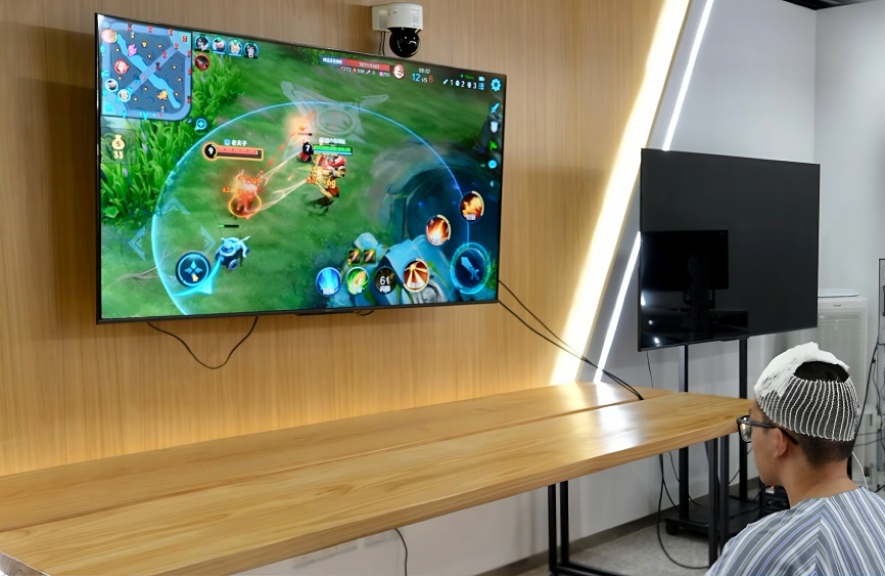
受试者通过意念打《王者荣耀》游戏
技术原理:高密度脑机接口训练与算法持续优化实现精准控制
研究团队基于256通道柔性脑机接口,通过采集局部场电位信号(LFP),将其与屏幕光标运动轨迹实时映射,形成视觉反馈闭环控制机制,进而通过XessOS脑机操作系统实现对外部设备的精准操控。
在训练过程中,采用经典的Center-out实验范式校准解码模型:通过位置-速度卡尔曼滤波算法,将256通道皮层脑电信号(ECoG)实时解码为光标速度指令,使受试者快速掌握闭环神经光标的控制能力。随着训练时长增加,运动想象控制的精度与速度显著提升。
为进一步强化脑控能力,引入WebGrid范式,要求受试者通过运动想象将光标移动至指定目标方格。通过逐步增加网格复杂度,患者的脑电控制能力持续优化。在解码器性能达到稳定后,可通过XessOs脑机操作系统扩展至多场景应用。
据悉,XessOS是脑虎科技自主研发的脑机操作系统,其核心在于高通量脑电信号实时运动解码算法。该系统集成实时脑电信号解码与交互增强双引擎,通过毫秒级特征提取及运动意图解析,精准转化为计算机控制指令。搭载高效深度学习模型和训练范式,可依据用户脑电特征实现每日自我优化,有效攻克神经信号漂移难题。最重要的是,该系统功能覆盖多元场景:支持智能家居调控、高精度轮椅操控及沉浸式游戏交互;实现社交通讯、在线购物、邮件处理等数字化生活场景的”意念直连”。通过构建”感知-解码-执行”闭环,将脑机接口技术深度融入日常生活,在医疗康复、智能交互、娱乐体验等领域形成完整解决方案,助力用户重获生活自主权。
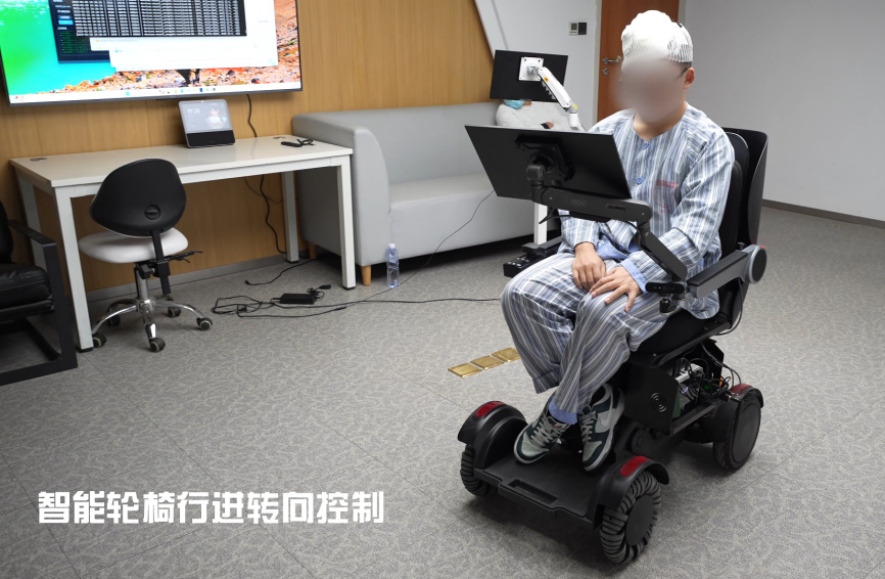
受试者意念控制轮椅行进及转向
临床意义:推动脑机接口从基础研究向实际应用转化
Following 19.87 cumulative hours of training, the subject achieved a neural cursor control performance of 4.07 bits per second (BPS) under an enhanced user interface—approaching the 4.6 BPS achieved by Elon Musk’s Neuralink’s first human participant, Noland, after 60 hours of training under an enhanced UI—and gradually drawing closer to the operation speed of healthy individuals using a traditional mouse. NeuroXess stated, “This response speed strongly validates the feasibility of BCI technology in complex real-world scenarios, offering hope for functional reconstruction in patients with motor disabilities.”
It is worth highlighting that throughout the clinical trial, the subject remained in excellent condition and performed exceptionally well. Following the completion of the trial, the medical team at Huashan Hospital utilized NeuroXess’s 256-channel flexible BCI to accurately locate the epileptogenic focus and successfully performed surgical resection, leaving the motor functional areas fully protected. Following recovery, the subject experienced no remaining functional impairments.
Currently, the vast majority of BCIs drag a thin metallic “pigtail”—power and data cables connecting the BCI to data processing hardware. “The research and design for our next-generation fully wireless BCI product has already been completed,” revealed Tiger H. Tao, Founder, CEO and Chief Scientist of NeuroXess. “We expect to initiate clinical trials for the wireless version within the year.”
This breakthrough advancement benefits from Shanghai’s unique innovation ecosystem and diversified investments from government entities, hospitals, and research institutions. The related work received strong support from the Tianqiao and Chrissy Chen Institute (TCCI), along with grants from the Strategic Frontier BCI Special Project of the Shanghai Science and Technology Commission, the Frontier Industry Innovative Development Project for Promoting High-Quality Industrial Development of the Shanghai Municipal Commission of Economy and Informatization, and the Shanghai Strategic Emerging Industry Development Special Fund. Support was also provided by organizations including the BCI and Interaction Branch of the Chinese Society for Neuroscience and the Shanghai Future Industry BCI Special Committee.